
Storm Damage to Your Roof: What to Do in the First 48 Hours
Posted by John Price October 20th, 2026
If a storm has damaged your roof, start by keeping everyone safe and staying off the roof. In the first 48 hours, photograph the damage, stop as much water getting in as you can, contact your insurer and get a roofer to make the roof watertight with a temporary repair. Once that’s done, you can arrange a proper, permanent fix.
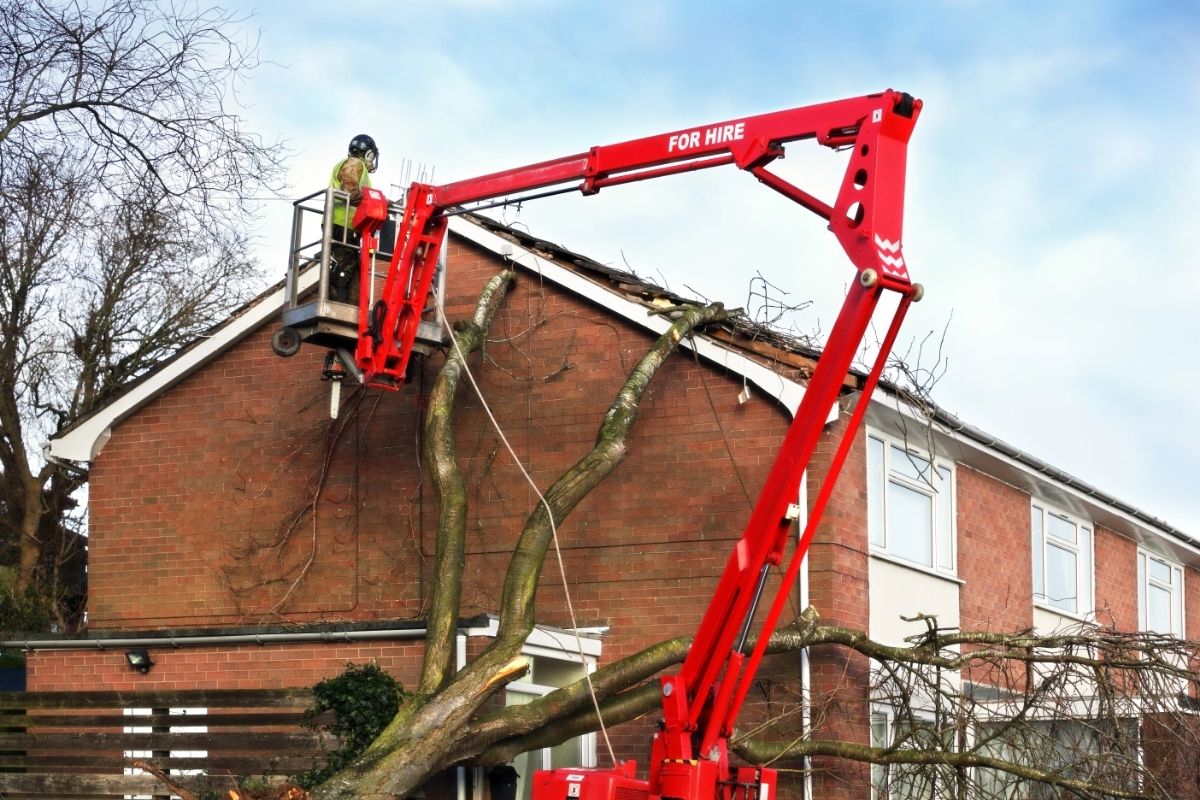
What Should You Do Straight After a Storm Damages Your Roof?
Your first job is safety, not repairs. Tiles and debris loosened by the wind can still fall after the storm has passed, so work through these steps before anything else:
- Stay off the roof. Wet tiles, loose debris and gusty wind make it dangerous even for experienced roofers. A ladder against a damaged gutter is just as risky.
- Check for hazards outside. If a power line has come down, treat it as live and keep everyone away. Report it by calling 105, and call the police if it’s blocking a road or path, as set out in National Grid’s power cut guidance.
- Keep people away from loose tiles or chimney pots. If anything is hanging over a path, driveway or garden, keep that area clear until it’s made safe.
- Check inside. Look at the ceilings on the top floor and, if it’s safe, the loft. If water is coming through near light fittings, switches or sockets, don’t touch them or use the lights. If your fuse box is dry and away from the leak, switch off the affected circuit or the entire supply, and have an electrician check everything before it’s used again.
How Do You Safely Check Your Roof for Storm Damage?
You can spot most storm damage from the ground and from inside the loft, without climbing anything. Use binoculars or your phone’s zoom to look at the roof from the garden and from the street.
From outside, look for:
- slipped, cracked or missing tiles or slates, or pieces of tile on the ground
- loose or missing ridge tiles along the top of the roof
- damage to the chimney stack or pot, or lead flashing that has lifted
- guttering pulled away from the wall or hanging at an angle
- fascia boards that have come loose
- felt or membrane lifted or torn on a flat roof
Inside the loft, check in daylight with a torch and only step on the joists. Look for:
- daylight showing through
- wet patches on the roofing felt or insulation
- drips
- water stains spreading on the ceilings below
Why Should You Photograph Everything Before Repairs?
Photos and notes are your best evidence if you need to make an insurance claim, so take them before anything is moved or fixed. Take wide shots that show the whole roof as well as close-ups of each problem. Photograph any internal damage as well, including tiles or debris on the ground.
Write down the date and time the storm hit and when you first noticed the damage. Insurers advise against automatically throwing away damaged items, so keep broken tiles and ruined belongings until your insurer says otherwise.
How Can You Stop Water From Getting In Until the Roof Is Fixed?
Limit the damage inside straight away, then get a roofer to make the roof watertight from outside. Indoors, put buckets under drips, move furniture and belongings out of the way, and lay down towels or sheets to protect floors. If a ceiling is sagging with water, keep everyone out of that room and get help quickly.
On the roof itself, a temporary repair usually means:
- refixing or replacing loose tiles
- covering exposed areas with heavy-duty sheeting
- securing anything that could cause more damage in the next spell of wind
The Association of British Insurers advises that if you arrange emergency repairs yourself, you should tell your insurer and keep the receipts, because they form part of your claim.
Does Home Insurance Cover Storm Damage to Your Roof?
Most standard home insurance policies cover storm damage, but roof claims are often disputed. The usual point of disagreement is whether the damage was caused by the storm or by pre-existing wear and tear.
When a storm claim is refused, and the homeowner complains, the Financial Ombudsman Service asks three questions:
- Was there a storm on or around the date the damage happened?
- Is the damage consistent with what a storm typically causes?
- Was the storm the main cause, or would the damage have happened anyway?
Many policies define a storm partly by wind speed, often gusts of at least 55mph, and some also set a rainfall threshold. This means damage after a spell of heavy rain or ordinary wind may not count as storm damage under your policy. Check your policy wording, contact your insurer as soon as you can, and use their emergency helpline if they have one.
This is general information rather than insurance advice. Your own policy terms decide what’s covered.
Why Does Roof Maintenance Matter for a Storm Claim?
An insurer will look closely at the condition of your roof before the storm, because storm cover rarely includes gradual deterioration. Crumbling mortar on ridge tiles, cracked flashing and blocked gutters can all weaken a claim, even when a storm did the final damage.
Regular checks and prompt, small repairs make your roof more resistant to high winds and put you in a stronger position if you ever need to make a claim. If your ridge is still bedded in mortar, our guide to dry ridge vs mortar ridge systems explains why mechanically fixed ridges cope better in storms.
Temporary vs Permanent Roof Repairs: What’s the Difference?
A temporary repair keeps water out for days or weeks. A permanent repair puts the roof back to its proper condition. The temporary fix buys you time to get quotes and deal with your insurer, but it isn’t designed to last through a winter.
A permanent repair might involve:
- replacing broken tiles or slates with matching ones
- refixing the ridge
- resealing or replacing lead flashing
- repairing the underlay beneath the tiles
If the damage is widespread or the roof is already near the end of its life, our guide on how to decide between roof repair and replacement will help you weigh up the options.
What Storm Damage Can Show Up Weeks Later?
Some storm damage stays hidden until the next spell of heavy rain or wind. Common examples include:
- Tiles loosened but not dislodged, which then slip in the next storm
- Hairline cracks in ridge mortar
- Lead flashing that has lifted slightly
- Gutters knocked out of line, so they overflow
- Fascia boards that have started to come away from the rafters
Even if you have no leak, it’s worth having the roof inspected after a major storm. Our pre-autumn guttering checklist and guide to fascias and soffits explain what to look out for. For flat roofs, see our flat roof maintenance tips.
Frequently Asked Questions
Can I Go on My Roof to Check for Storm Damage?
No. Climbing onto a storm-damaged roof is dangerous, and you can make the damage worse by stepping on weakened tiles. Check from the ground with binoculars or a phone camera, look in the loft from the joists, and leave anything higher to a roofer.
How Quickly Should I Report Roof Storm Damage to My Insurer?
As soon as you can. Many insurers run 24-hour helplines after storms, and reporting early makes it easier to link the damage to a specific weather event.
Will My Insurer Pay for an Emergency Roof Repair?
If the claim is accepted, the cost of emergency repairs is usually included. Tell your insurer before or straight after the work, keep every receipt, and check your policy for any limits.
Is It Worth Fixing a Few Missing Tiles Straight Away?
Yes. A single missing tile lets rain soak the underlay and the timbers beneath it. Small gaps also give the wind more to catch in the next storm, so a quick, inexpensive repair can stop a much bigger bill later.
Storm Damage Repairs in Sutton-in-Ashfield and Mansfield
JP Roofing Services is a family-run roofing company covering Sutton-in-Ashfield, Mansfield and the surrounding areas of Nottinghamshire and Derbyshire. We respond promptly to urgent storm damage. When it’s safe, we apply a temporary fix to keep your home dry, then arrange a full repair.
If your roof has been hit by high winds, find out more about our roof repair services or call us on 01623 782278.

John Price, the owner of JP Roofing Services, is an experienced roofing expert with deep roots in Nottinghamshire. Leading a family-owned business, John has built a reputation for excellence in the local roofing industry. JP Roofing Services offers a comprehensive range of services, including new roof installations, repairs, and maintenance, with specialisations in flat roofs, guttering, fascias, soffits, and chimney work. John’s commitment to reliability, punctuality, and affordable pricing without compromising on quality has made JP Roofing Services a trusted name in the community. With a focus on safety and customer satisfaction, John ensures that every project meets the highest standards, combining traditional values with modern expertise.


